
High definition Pipe Extrusion Process - HDPE Heat Insulation Pipe Extrusion Line – JWELL
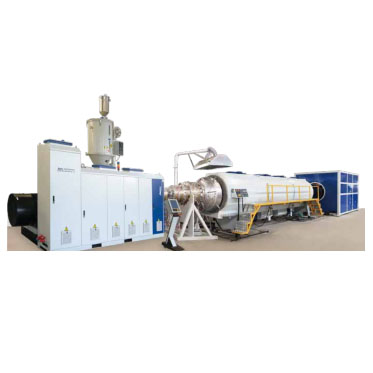
High definition Pipe Extrusion Process - HDPE Heat Insulation Pipe Extrusion Line – JWELL Detail:
Main Technical Parameter
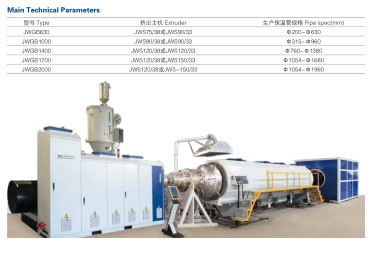
Performance and features
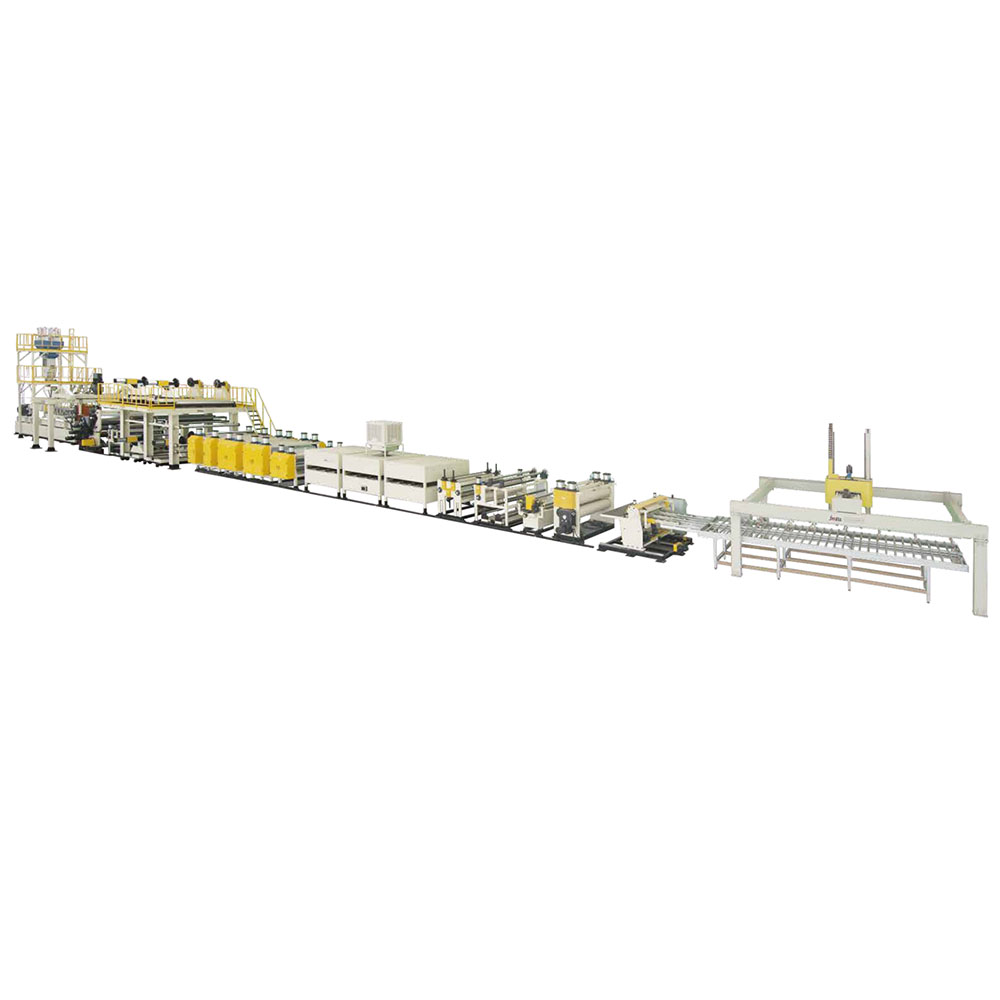
The insulation pipe production line is designed with a special PE insulation pipe mold, the extrusion pressure is stable, and the thickness of the thin-walled pipe is uniform. The extrusion speed is fast, the output of the blown type is greatly improved, the surface is brighter, and the operation automation is high.
HDPE pipe is a flexible plastic pipe made of thermoplastic high-density polyethylene widely used for low-temperature fluid and gas transfer. In recent times, HDPE pipes got their extensive uses for carrying potable water, hazardous wastes, various gases, slurry, firewater, stormwater, etc. The strong molecular bond of HDPE pipe materials helps it to use for high-pressure pipelines. Polyethylene pipes have a long and distinguished service history for gas, oil, mining, water, and other industries. Due to its low weight and high corrosion resistance, the HDPE pipe industry is growing tremendously. In the year 1953, Karl Ziegler and Erhard Holzkamp discovered high-density polyethene (HDPE). HDPE pipes can work satisfactorily in a wide temperature range of -2200 F to +1800 F. However, the use of HDPE Pipes is not suggested when the fluid temperature exceeds 1220 F (500 C).
HDPE pipes are made by the polymerization of ethylene, a by-product of oil. Various additives (stabilizers, fillers, plasticizers, softeners, lubricants, colorants, flame retardants, blowing agents, crosslinking agents, ultraviolet degradable additives, etc.) are added to produce the final HDPE pipe and components. HDPE pipe lengths are made by heating the HDPE resin. It is then extruded through a die, which determines the diameter of the pipeline. The Pipe wall thickness is determined by a combination of the die size, speed of the screw, and the speed of the haul-off tractor. Usually, 3-5% carbon black is added to HDPE to make it UV resistant, which turns HDPE pipes into black in color. Other color variants are available but usually not used frequently. Coloured or striped HDPE pipe is usually 90-95% black material, where a colored stripe is provided on 5% of the outside surface.
Product detail pictures:
Related Product Guide:
To be the stage of realizing dreams of our employees! To build a happier, far more united and far more specialist team! To reach a mutual profit of our customers, suppliers, the society and ourselves for High definition Pipe Extrusion Process - HDPE Heat Insulation Pipe Extrusion Line – JWELL , The product will supply to all over the world, such as: Miami, Colombia, Bhutan, We are proud to supply our products to every auto fan all around the world with our flexible, fast efficient services and strictest quality control standard which has always approved and praised by customers.
 By Hedda from Roman - 2018.06.09 12:42
The company account manager has a wealth of industry knowledge and experience, he could provide appropriate program according our needs and speak English fluently.
By Phoenix from Serbia - 2017.11.29 11:09
Products categories
-
Manufacturing Companies for Plastic Film Extrus...
-
OEM Manufacturer Plastic Extrusion Die Material...
-
Europe style for Plastic Recycling Machine Cost...
-
Good quality Extruders Plastic - EVA/POE Solar...
-
China New Product Extrusion Molding Plastic - ...
-
China New Product Film Extruder - Alumium Plas...